Tesla Targets $30,000 Cybercab Sales Before 2026 Ends
Tesla executives confirmed that the two-seater robotaxi will begin customer deliveries by year-end, primarily for a ride-hailing service rather than private ownership.
By Dmitri Sokolov ·
Residents in Texas and the South Central region will soon have access to a new category of affordable, driverless transportation. Tesla has set a definitive timeline for its Cybercab, confirming that the two-seater vehicle will be available for purchase by customers before the calendar year concludes. This announcement ends months of speculation regarding whether the purpose-built robotaxi would reach the market in the near term or remain exclusively part of the company’s internal fleet.
During the company’s third-quarter 2026 earnings call on October 21, Lars Moravy, Tesla’s Vice President of Engineering, stated that the goal is to get Cybercabs to customers by the end of 2026. Moravy noted that production is currently active on the line at Gigafactory Texas. However, he clarified that every unit rolling off the line is currently assigned to Tesla’s internal Robotaxi fleet rather than being sold directly to the public. The company plans to shift this balance as operations scale, with the Cybercab serving as the first fully designed autonomous vehicle delivered to private parties.
The delivery strategy will be cautious. Moravy explained that initial customer deliveries will be limited in volume to allow Tesla to refine its logistics, ownership models, and fleet management capabilities. The company needs to gain experience operating autonomous vehicles outside of its direct control before expanding sales. This phased approach aims to mitigate risks associated with maintaining a large network of self-driving cars that are not directly managed by Tesla’s engineering team.
CEO Elon Musk reinforced the idea that private ownership will be the exception, not the rule. He described the Cybercab primarily as a "transport-as-a-service" offering, distinguishing it from traditional personal vehicles like the Model 3, Model Y, or the upcoming Roadster. Musk stated that the "vast majority" of Cybercab units will remain Tesla-owned, serving the ride-hailing market. This model suggests that while individuals can buy the car, the bulk of the fleet will function as a shared mobility resource.
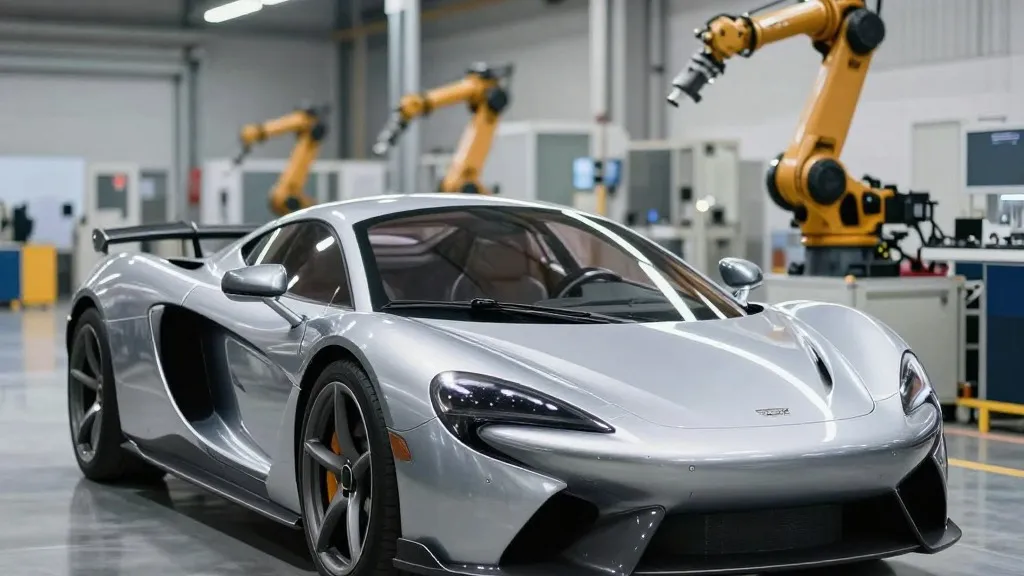
The Cybercab is a two-seater vehicle that lacks a steering wheel or pedals, relying entirely on Tesla’s Full Self-Driving software suite. Production of the vehicle began in February of this year. Early units were integrated into the Robotaxi service in early September, coinciding with the launch of public rides. Tesla has previously indicated that the target price for the Cybercab is approximately $30,000, positioning it as a cost-effective option for both fleet operators and individual buyers.
Looking ahead, Tesla’s Head of AI, Ashok Elluswamy, indicated that unsupervised Full Self-Driving capabilities are expected to ship to consumer cars during the second quarter of 2027. However, early buyers and fleet operators may face geographic restrictions on autonomous operation due to the pace of regulatory approvals. Several hurdles remain before widespread Cybercab deliveries can begin, including the need to finalize logistics and ensure compliance with local transport regulations.
Source: Teslarati