The New Rule: AI Data Centers Must Pay Local Energy Dividends
President Trump has called for a mandate requiring hyperscalers to offset local utility costs by selling excess power back to communities.
By Neha Iyer ·
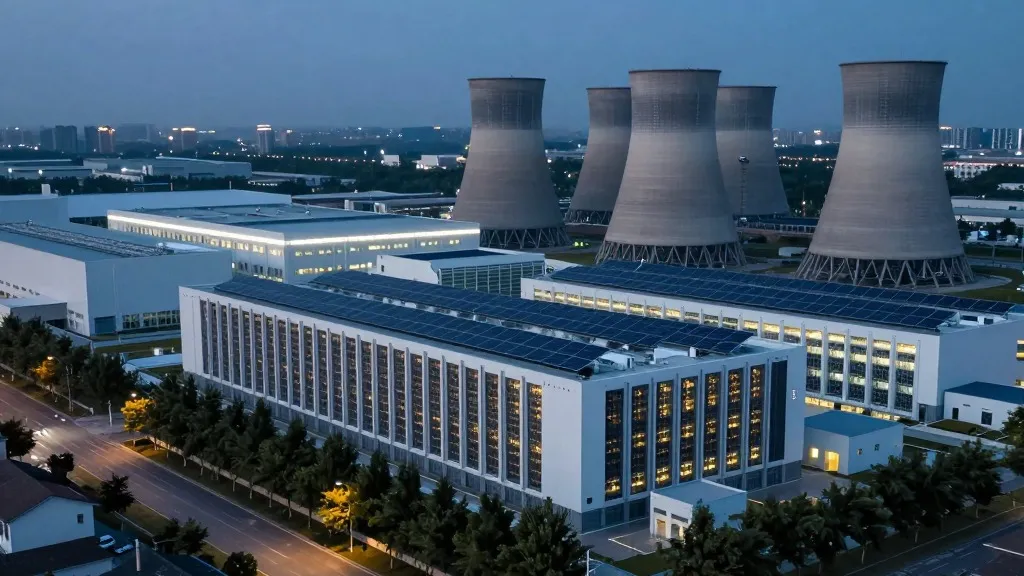
President Donald Trump has issued a directive calling for artificial intelligence data center operators to provide financial or energy-based dividends to the local communities they occupy. In a post on Truth Social, the President outlined a plan where hyperscalers and builders are not only required to generate their own electricity but also return excess power to the local grid. The goal is to mitigate rising utility bills for residents, potentially even lowering overall energy costs in areas hosting these massive facilities. This move aims to make data centers more acceptable to nearby populations by directly addressing one of their most significant grievances: the strain on local energy infrastructure.
The push for this mandate follows a growing wave of local opposition across the United States. Residents in small towns and rural areas have frequently protested the arrival of large-scale AI infrastructure, citing issues that extend beyond just electricity. Common complaints include increased noise pollution, water shortages, air quality concerns, and deforestation. By demanding that companies give back something tangible, the administration seeks to ease the economic burden on these communities. While the specific mechanics of the dividend are not yet defined, the focus on electricity suggests the primary benefit will be a partial offset for rising utility rates that directly affect households near data centers.
This development builds on previous administrative actions. The Trump Administration had already ordered these companies to secure their own power supplies, reducing reliance on the local grid. Additionally, a recently passed act requires data centers to cover the costs of necessary grid upgrades, preventing those expenses from being passed on to local taxpayers through general funds. The new dividend mandate fits into this broader strategy of isolating the financial impact of AI expansion. By having data centers sell their excess generation back to the community, the administration hopes to turn a perceived burden into a financial benefit for residents.
The President emphasized the economic logic behind the proposal, noting that data centers which were initially unpopular in certain areas have become well-received once a financial deal was struck. In his post, Trump urged stakeholders to "MAKE DEALS, and get them built!!!" The administration is keen to maintain its lead in the global AI race against China, and winning back local favor is seen as a critical step in ensuring these facilities can be constructed and operated without significant political friction. The directive positions the energy dividend as a key tool for securing community buy-in.
However, the practical implementation of these dividends remains to be seen. While the economic aspect is a major factor, it is only one piece of the puzzle. Communities still face challenges such as enormous water consumption, ecological damage, and persistent pollution, which are not solved by an energy rebate. Critics argue that the term "dividend" is somewhat misleading, as it typically implies a return on investment from a profitable enterprise. New data center projects often operate at a loss during their initial construction and ramp-up phases, raising questions about the sustainability of such payments in the short term.
Looking ahead, the success of this mandate will depend on how it is enforced and whether it addresses the full spectrum of community concerns. If the energy dividends are substantial enough, they may help sway public opinion in favor of new builds. Yet, for many residents, the noise and environmental footprint of gas-powered generators and other infrastructure remain the primary pain points. As the administration moves forward, the interplay between financial incentives and environmental impact will determine whether this new model for AI infrastructure expansion gains traction or faces continued resistance.
Source: Tom's Hardware