SpaceX Stock Target Hits $500 After Revenue Tops $14 Billion
Investors are reacting to a massive surge in earnings and aggressive AI spending plans from the aerospace company.
By Mariana Delgado ·
For shareholders and investors watching the aerospace sector, the financial picture for SpaceX has shifted dramatically in a single day. Following a strong third quarter report released on October 20, the stock jumped approximately 8 percent in premarket trading on October 21. This move came after analysts across Wall Street rushed to raise their price targets, signaling a renewed confidence in the company's growth trajectory and its expanding role in the artificial intelligence infrastructure market.
The core of this optimism stems from a third quarter that significantly outperformed market expectations. SpaceX reported total revenue of $14.6 billion, a 161 percent increase compared to the same period last year. This figure comfortably exceeded the consensus estimate of roughly $12.7 billion. Beyond the top line, the company moved from a net loss in the prior year to a net profit of $4.4 billion. Adjusted EBITDA also climbed to $8.8 billion, suggesting improved operational efficiency and profitability.
A major driver of this financial surge is the company's Super Intelligence division, which is now its largest revenue contributor. This segment generated approximately $7.6 billion, representing an almost 830 percent year-over-year increase. The connectivity segment, primarily driven by Starlink, added another $5.2 billion to the total. Starlink's consumer base has grown to 13.6 million subscribers, indicating sustained demand for satellite internet services.
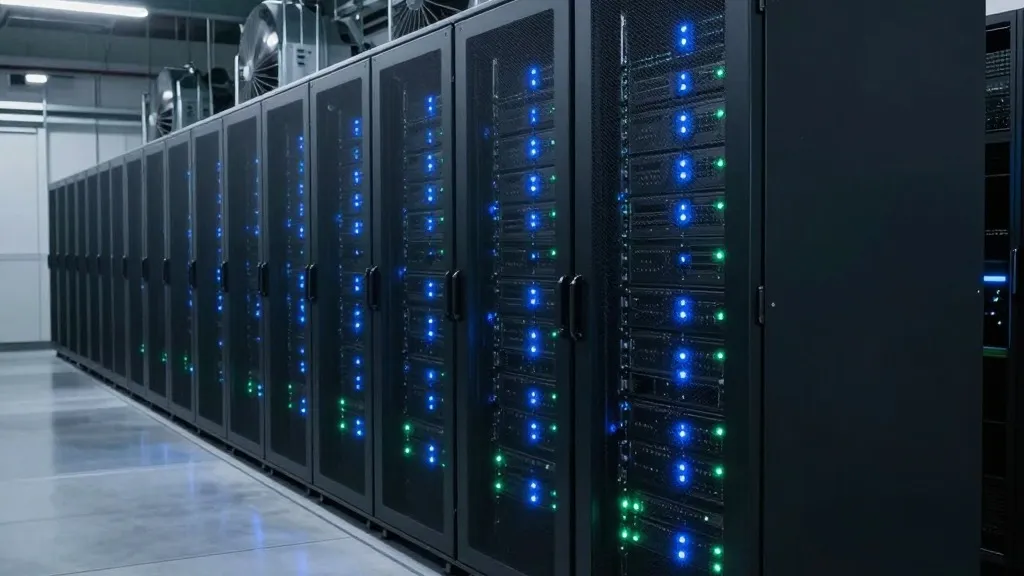
During the earnings call, CEO Elon Musk and CFO Bret Johnsen provided guidance that further fueled the bullish sentiment. They projected first-quarter revenue for 2027 to be between $33 billion and $37 billion. This forecast is far above the roughly $22 billion that analysts had previously modeled. Management also outlined capital expenditure plans for the fourth quarter, ranging from $35 billion to $40 billion, with a specific focus on building AI compute infrastructure in locations such as Memphis and Southaven.
The scale of these plans is ambitious. Management aims to achieve 2.5 to 3 gigawatts of nameplate compute capacity by the end of this year. They are also discussing pathways to reach 13 gigawatts or more by the end of 2027. Musk noted that demand from hyperscalers and other customers remains relentless, with compute pricing supporting payback periods of less than a year and potentially as short as six months.
This performance triggered a wave of price target revisions among major financial firms. JPMorgan more than doubled its target to $500 from $240, maintaining an Overweight rating. Other notable increases include Cantor Fitzgerald raising its target to $345 from $246, and Barclays lifting its estimate to $300 from $254. Citi increased its target to $240, while UBS moved to $230 and TD Cowen to $224. Wells Fargo and Clear Street also adjusted their views upward, reflecting broad-based confidence in the company's long-term earnings power.
Beyond the numbers, the earnings call highlighted several strategic developments. These include recent orbital successes for Starship, the deployment of V3 satellites, and rapid adoption of the Grok Bot. Management also discussed spectrum expansion plans and the formation of special committees to explore a possible combination with Tesla. These elements, combined with the strong quarterly print, have led analysts to view the company's trajectory across launch, connectivity, and AI as increasingly robust, even as they note that elevated spending remains a key area to monitor.
Shares of SpaceX, which closed at $147.79 on October 20, are now trading higher as investors digest the results. The average analyst price target has moved significantly higher, reflecting greater conviction in the company's ability to capitalize on its expanding AI compute expansion and Starlink progress. For the broader market, this event underscores the growing intersection between traditional aerospace ventures and the high-stakes world of artificial intelligence infrastructure.
Source: Teslarati